Quick Answer: 1.2 cc to ml Conversion
1.2 cc equals exactly 1.2 ml. That’s right—cubic centimeters (cc) and milliliters (ml) are identical measurements with a perfect 1:1 ratio. You’ll find this conversion particularly useful in medical dosing, automotive applications, and cooking measurements. Whether you’re calculating medication volumes, checking engine displacement, or following international recipes, understanding this equivalence saves time and prevents errors. Throughout this guide, we’ll explore practical examples and show you how these units fit into broader volume conversions—from milliliters all the way up to larger volumes like liters.
Understanding cc and ml: What’s the Difference?
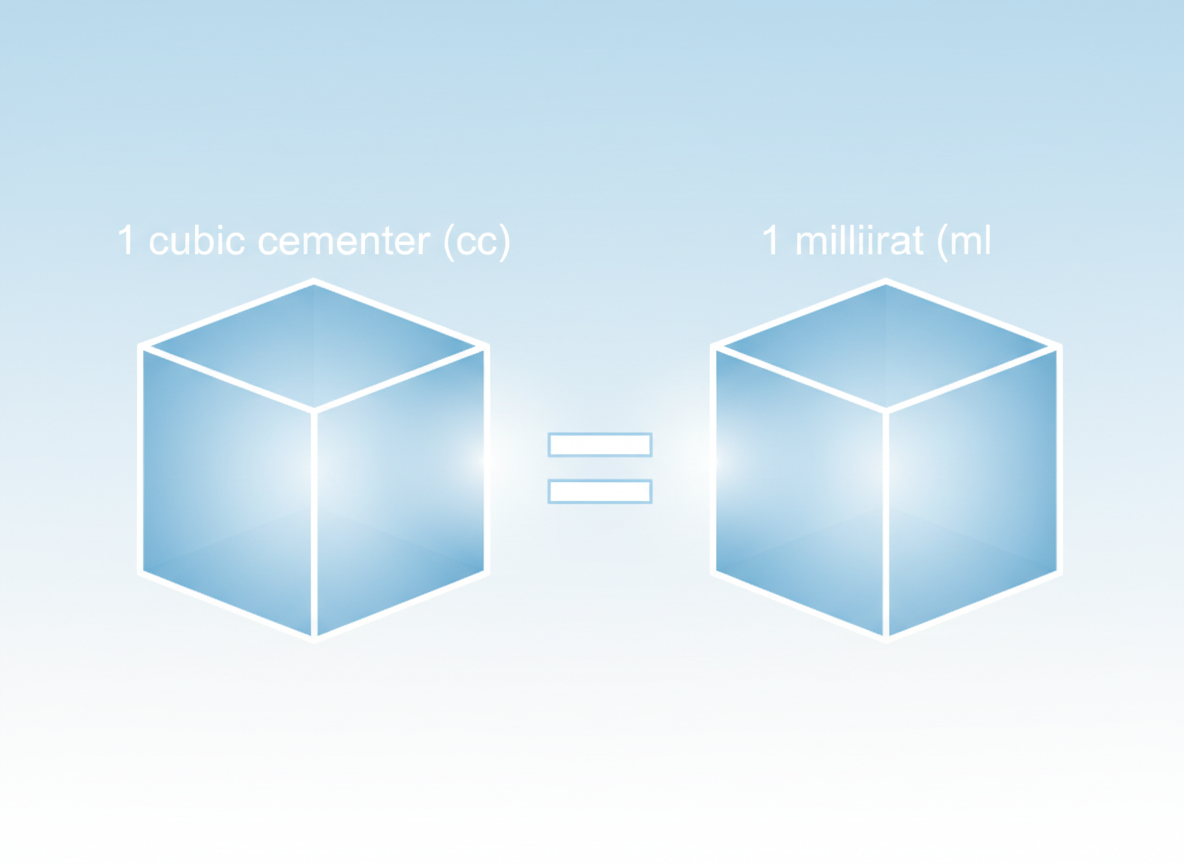
Here’s the quick answer: 1 cc equals 1 ml exactly. These terms are mathematically identical—both measure volume in the metric system.
A cubic centimeter (cc) describes the space inside a 1cm × 1cm × 1cm cube. A milliliter (ml) represents one-thousandth of a liter. They’re the same measurement with different names.
Why two terms? It’s mostly tradition. The medical field typically uses “cc” (you’ll hear “inject 5 cc of medication”), while scientific and culinary contexts prefer “ml.” If you’re converting cups to ml, you’ll always see milliliters in recipes. Both measurements work interchangeably—just pick whichever your field prefers.
Real-World Applications of 1.2 cc/ml
You’ll find 1.2 ml measurements everywhere in healthcare—think insulin syringes, vaccine doses, or children’s fever medication. Pediatricians often prescribe liquid antibiotics in amounts like 1.2 ml because precision matters for small bodies.
Beyond medicine, 1.2 ml appears in essential oil recipes, perfume mixing, and even small engine displacement specs. If you’re measuring larger kitchen quantities, check out our guide on 1 1/3 cup conversions.
The beauty of cc and ml being identical? No math errors when switching between syringes and measuring tools.
Quick Conversion Reference
Here’s your go-to table for common cc to ml conversions:
| CC (Cubic Centimeters) | ML (Milliliters) |
|————————|——————|
| 0.5 cc | 0.5 ml |
| 1.0 cc | 1.0 ml |
| 1.2 cc | 1.2 ml |
| 1.5 cc | 1.5 ml |
| 2.0 cc | 2.0 ml |
| 2.5 cc | 2.5 ml |
| 3.0 cc | 3.0 ml |
The formula: cc × 1 = ml
Notice something? The values stay exactly the same. There’s no math required—1.2 cc literally equals 1.2 ml. Unlike conversions such as 1000 L to kL where calculations matter, this one’s refreshingly simple. You’re just switching between two different names for the identical measurement.
Frequently Asked Questions (FAQ)
Is 1.2 cc the same as 1.2 ml?
Yes, absolutely. 1.2 cc equals exactly 1.2 ml. They’re different names for the same volume measurement. Whether you see “cc” on a medical syringe or “ml” on a measuring cup, the quantity doesn’t change.
Why do medical professionals use cc instead of ml?
It’s mostly historical convention. “Cubic centimeter” was widely used in medical settings for decades, and many practitioners still prefer it. The term provides clarity when discussing precise dosages, though modern medical standards officially recommend using ml.
How do I measure 1.2 ml accurately?
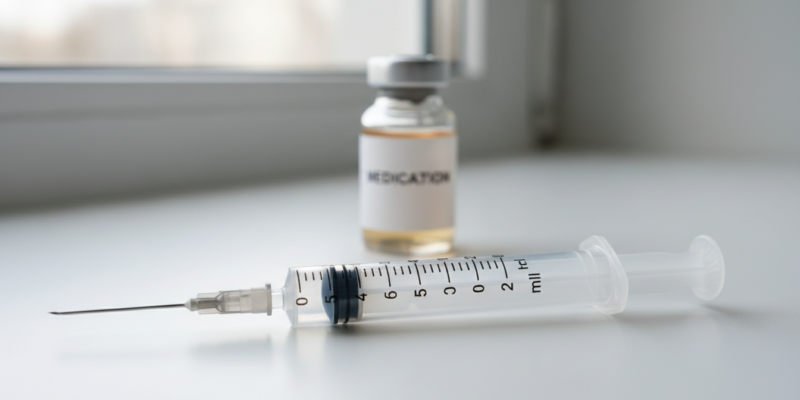
For precise measurements, use a medical syringe with clear markings. Hold it at eye level and fill to the 1.2 ml line. Kitchen measuring spoons won’t give you this level of accuracy since 1.2 ml is roughly 1/4 teaspoon. If you’re working with larger liquid conversions for cooking, you might also find our guide on 1 1/2 liter to cups helpful.
Can I use cc and ml interchangeably in recipes?
Yes, they’re identical measurements. However, always double-check the recipe context. Most modern recipes use ml, but older cookbooks might list cc. The conversion ratio is always 1:1, making substitution straightforward.
What’s the easiest way to remember the cc to ml conversion?
Think “same number, different label.” Whatever the cc value is, that’s your ml value. No multiplication, no division—just a direct swap. For quick conversions anytime, try Unit Genie for instant, accurate results.