Quick Answer: 1/4 Grain to Milligrams
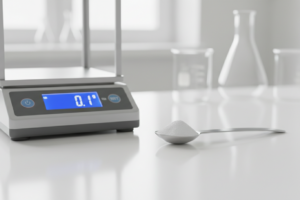
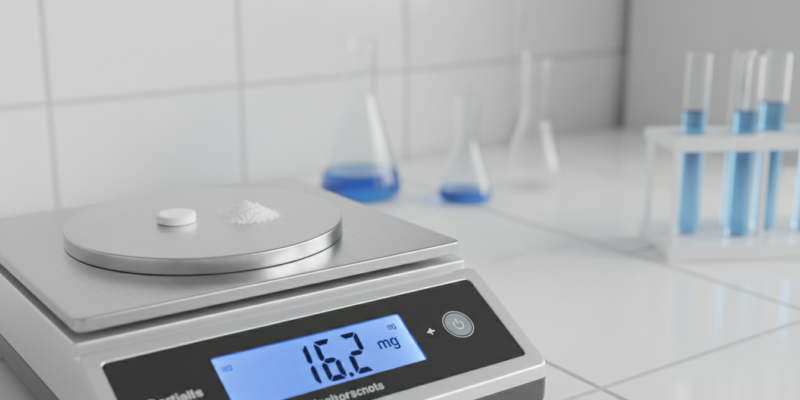
1/4 grain equals 16.2 mg (or 16.19789 mg if you need precision). This fractional conversion comes up frequently in pharmaceutical contexts, particularly with older medication dosages like thyroid medications and some cardiac drugs. You’ll also find it in historical medical records and certain supplement formulations. Similar to 1/2 grain conversions, understanding quarter-grain measurements helps bridge traditional apothecary units with modern metric standards. We’ll walk you through the conversion formula, show you how to calculate other grain fractions, and explore real-world applications.
Understanding the Grain Unit in Modern Measurements
The grain traces back thousands of years to ancient Mesopotamia, where a single barley grain defined the standard. Despite the metric system’s dominance, grains remain surprisingly relevant today—especially in pharmaceuticals, where aspirin tablets commonly come in 5-grain doses (about 325 mg). You’ll also find grains used in ammunition manufacturing, where bullet weights appear in grains rather than grams. The medical field clings to this ancient unit because many established drug dosages were originally calculated in grains. Need a different conversion? Check out our 150 grain to mg guide for ammunition-related measurements. One grain equals exactly 64.79891 mg in the metric system.
The Conversion Formula Explained
Here’s the math behind the conversion: 1 grain equals 64.79891 milligrams. To find 1/4 grain, multiply 0.25 × 64.79891, which gives you 16.19789 mg—typically rounded to 16.2 mg for practical use.
Precision matters, especially in medical settings. While 16.2 mg works for most pharmaceutical contexts, research applications might require the full 16.19789 mg. Think of it like converting 0.1 mm to microns—context determines your decimal places.
Rounding guidance:
- General use: 16.2 mg (one decimal)
- Medical prescriptions: 16.2 mg (standard)
- Scientific research: 16.198 mg (three decimals)
- Laboratory work: Full precision as needed
The step-by-step calculation ensures accuracy every time. Unit Genie handles these conversions instantly, saving you from manual math errors.
Real-World Applications of 1/4 Grain Measurements
You’ll find quarter-grain measurements most often in pharmaceutical contexts. Nitroglycerin tablets, commonly prescribed for angina, frequently come in fractional grain doses—including that 1/4 grain (16.2 mg) measurement we’ve been discussing. Thyroid medications like desiccated thyroid extract also rely on grain-based dosing, where precise conversions can make the difference between effective treatment and improper dosing.
Historically, many medications used fractional grain measurements. Doctors prescribed morphine, aspirin, and codeine in grains before the metric system became standard. Some older prescriptions and medical texts still reference these measurements, which is why healthcare professionals need to convert them accurately for patient safety.
Speaking of precision, pharmacists and nurses must convert grain measurements when interpreting legacy prescriptions or working with certain compounded medications. A miscalculation here isn’t just an academic exercise—it’s a patient safety issue.
Beyond medicine, you might encounter grain measurements in precious metals trading and ammunition specifications. Jewelers sometimes work with grain weights for small gemstones, though this has become less common. If you’re working with larger quantities like 1 1/8 oz to grains conversions, the principles remain the same—just scaled up.
Frequently Asked Questions
Is 1/4 grain exactly 16.2 mg?
Not quite. The actual value is 16.19790625 mg when you do the math (64.79875 ÷ 4). Most medical and pharmaceutical contexts round to 16.2 mg for practical use, which is more than accurate enough for dosing purposes. The difference is about 0.002 mg—essentially negligible for real-world applications.
Why do some medications still use grain measurements?
Historical tradition, mostly. Thyroid medications like Armour Thyroid and some older cardiac drugs (nitroglycerin, aspirin) still list grains on their labels because doctors and pharmacists have decades of experience with these measurements. Changing now could create confusion during the transition period. Plus, some prescribers—especially older physicians—are more comfortable with the grain system they’ve used throughout their careers.
How do I convert other fractional grains to mg?
Use the base conversion: 1 grain = 64.79875 mg. Then multiply by your fraction:
- 1/8 grain = 8.1 mg (64.79875 × 0.125)
- 1/2 grain = 32.4 mg (64.79875 × 0.5)
- 1 grain = 64.8 mg
- 2 grains = 129.6 mg
- 5 grains = 324 mg (common aspirin dose)
Just remember that decimal precision matters in medical contexts, so don’t round too aggressively. If you’re dealing with other weight conversions like converting 12 kg to lbs, the same principle applies—know your base conversion factor and multiply accordingly.
What’s the difference between grain and gram?
They’re completely different measurement systems. A grain is an ancient unit from the apothecaries’ system, originally based on the weight of a single grain of barley. A gram is part of the modern metric system. One gram equals approximately 15.43 grains, or flipping it around, one grain equals roughly 0.0648 grams. Don’t confuse them—they’re not interchangeable, and mixing them up in medical dosing could be dangerous.